
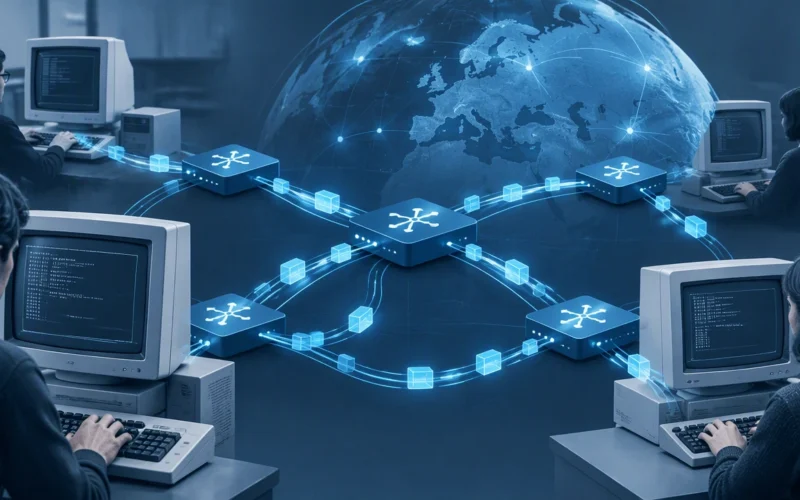
Packet Switching: The Communication Method That Built the Internet
Packet switching broke messages into independently routed pieces, making early computer networks faster, resilient, and scalable.
Packet switching broke messages into independently routed pieces, making early computer networks faster, resilient, and scalable.
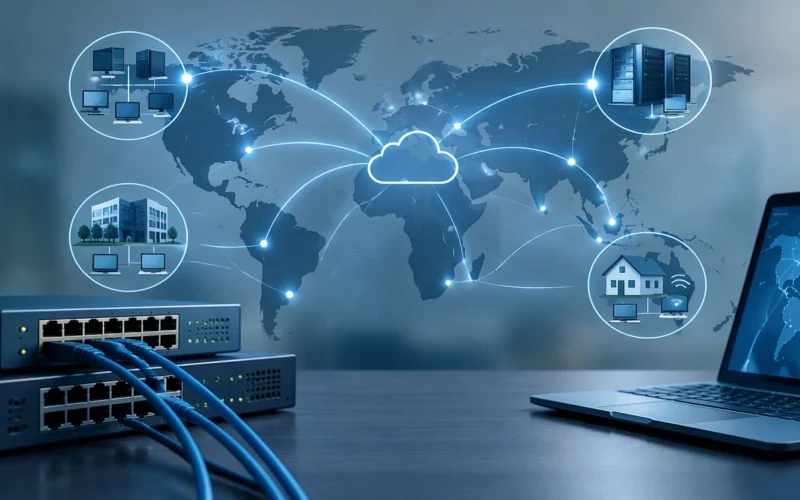
Why TCP/IP replaced earlier protocols to connect separate networks and created a universal language that made the modern internet possible.
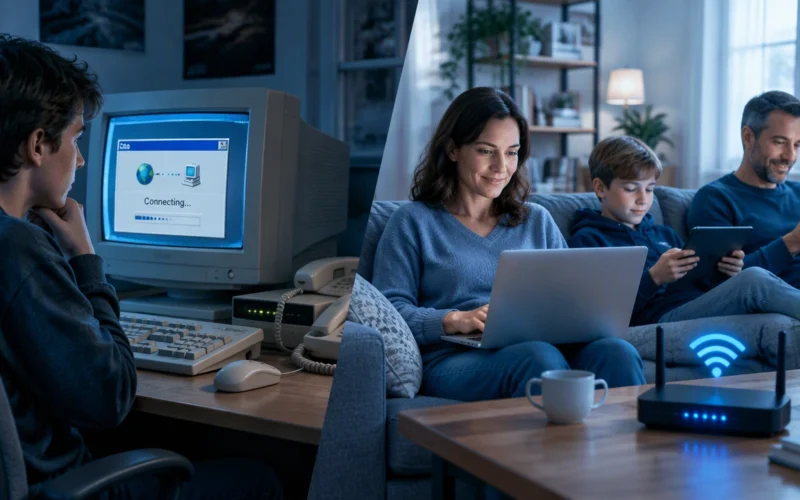
From busy signals to always-on access — how the move from dial-up to broadband reshaped speed, habits, and what families could do online.

Graphical browsers replaced commands with pages, links, and images, making the internet easier for non-specialists to navigate.

Forums and mailing lists taught people how to gather, argue, and belong online before social feeds existed.
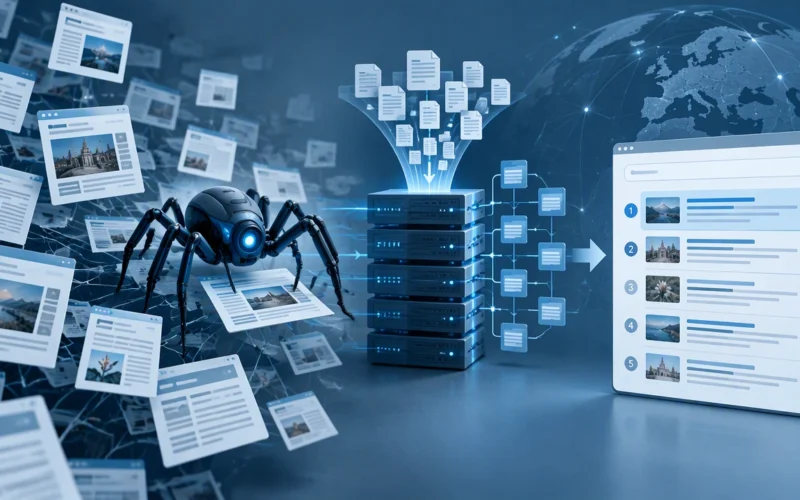
The early web was a tangle of scattered pages. Crawling, indexing, and ranking turned it into a place where anyone could find reliable information.
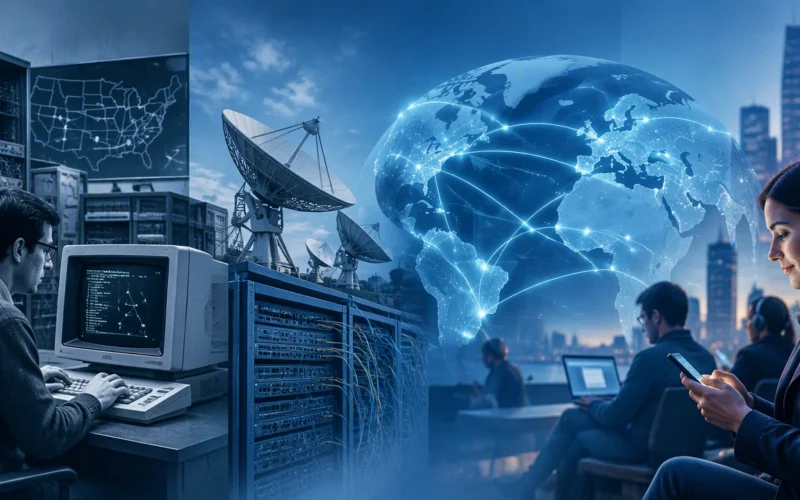
A calm, comprehensive guide tracing how experimental networks evolved into today's global internet, from ARPANET to ubiquitous broadband.
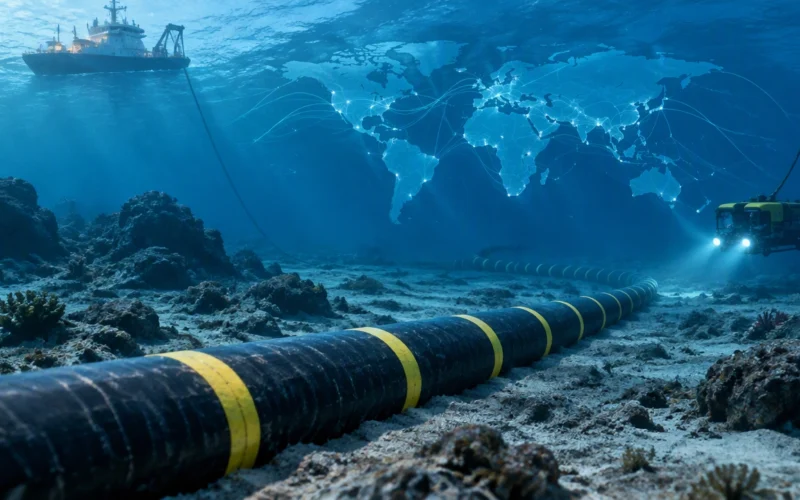
Undersea cables carry most international internet traffic because they offer unmatched speed, capacity, and reliability over continents.

Learn practical internet safety habits to protect your accounts, devices, and personal information while navigating the modern web securely.
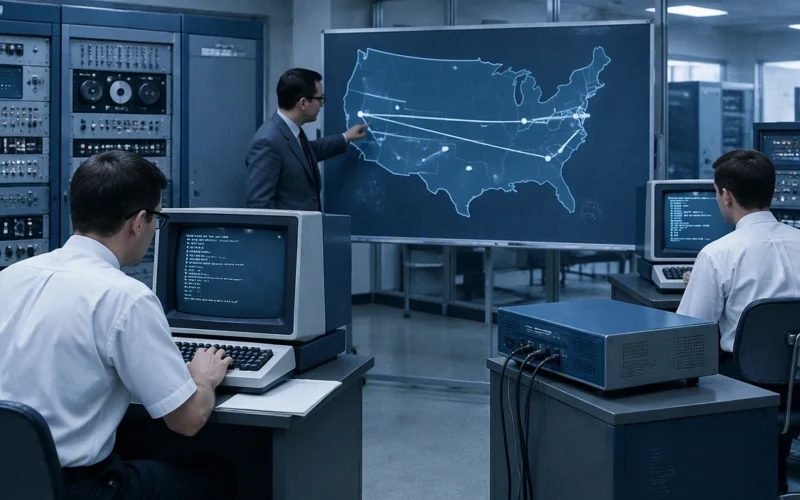
In 1969, four U.S. universities exchanged the first ARPANET messages, proving that distant computers could share resources and solve a growing research problem.